.svg)
Unified Dashboard
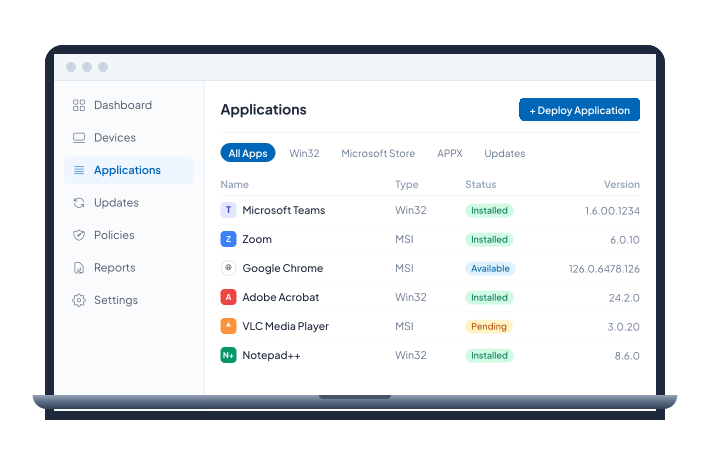
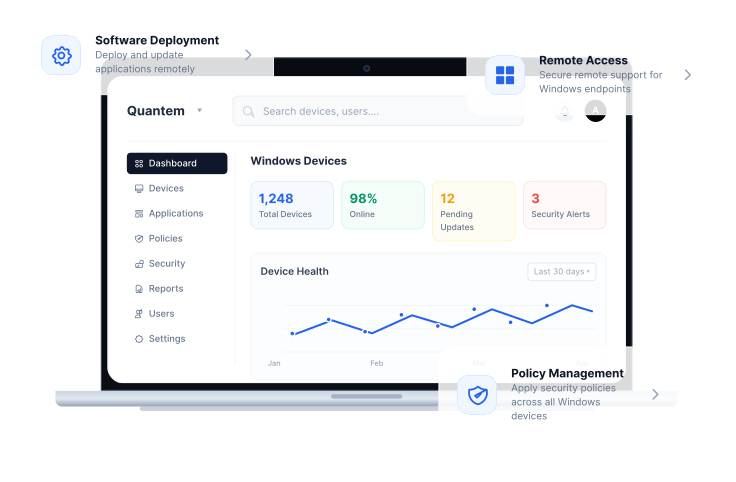
Manage Windows devices, applications, policies, and reports from one intuitive dashboard. Gain complete visibility into your device inventory with real-time insights.
.svg)
Groups & Subgroups
Organize Windows devices by departments, locations, or business units for simplified administration. Apply policies and configurations consistently across every device group.
.svg)
Network & WiFi Configuration
Configure Wi-Fi, VPN, and network settings remotely to provide secure access to corporate resources. Ensure users stay connected wherever they work.
.svg)
Automated Workflows
Automate repetitive IT tasks, policy enforcement, and routine administrative actions. Reduce manual effort while maintaining consistent device configurations.
.svg)
Granular Policies
Control password policies, hardware access, screenshots, USB devices, and security settings remotely. Build Windows security policies that align with your organizational requirements.
.svg)
Kiosk Mode
Lock Windows devices into single-app or multi-app kiosk mode for POS systems, digital signage, and dedicated business use. Deliver secure and consistent user experiences with restricted device access.
.svg)
Remote Script Execution
Execute PowerShell scripts remotely to automate routine administrative tasks and simplify Windows device management. Improve efficiency with centralized script deployment.
.svg)
Analytics & Reporting
Monitor device health, application usage, compliance, and operational trends with detailed reports. Gain actionable insights into your Windows device fleet.
.svg)
Remote Wipe
Protect sensitive business information by remotely wiping lost or stolen Windows devices. Remove corporate data instantly while preventing unauthorized access.
.svg)
BitLocker Encryption
Enable and manage BitLocker encryption remotely to protect business data stored on Windows devices. Enforce encryption policies while maintaining centralized compliance.
.svg)
Certificate Management
Deploy digital certificates remotely to authenticate enterprise Wi-Fi, VPN, and secure network connections. Strengthen security without manual configuration.
.svg)
Browser Management
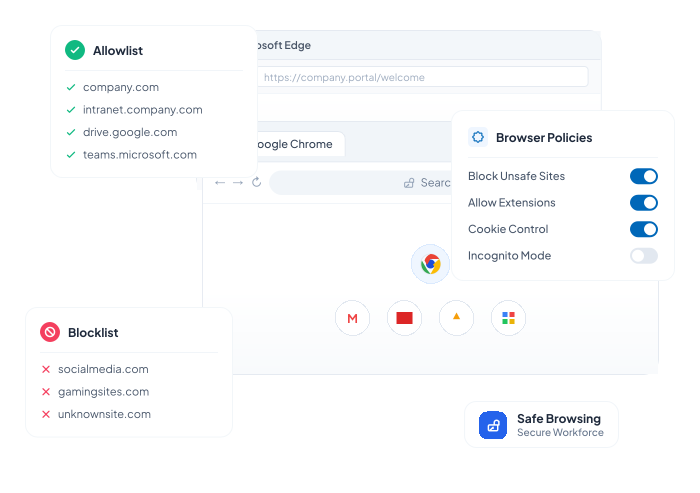
Control password policies, hardware access, screenshots, USB devices, and security settings remotely. Build Windows security policies that align with your organizational requirements.

.svg)
.svg)


.svg)
.svg)
.svg)