Manage, secure, and control Linux devices with a Linux MDM solution built to simplify administration, strengthen security, and improve operational efficiency.
.svg)
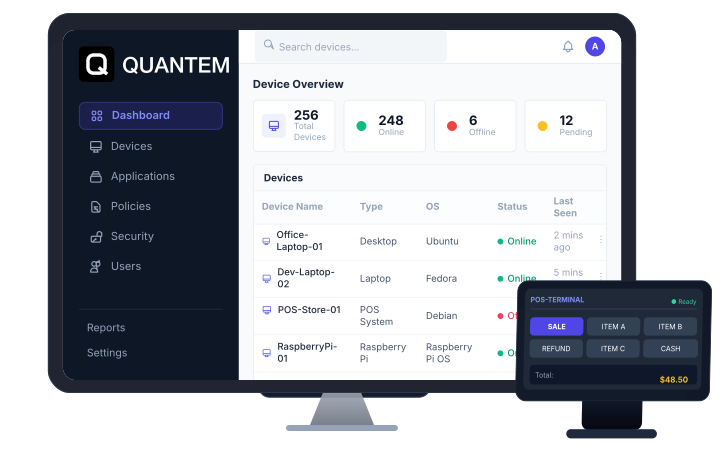
Unified Dashboard
Manage Linux devices, applications, policies, and reports from one intuitive dashboard. Gain complete visibility into your device inventory with real-time analytics and actionable insights
.svg)
Device Profiles & Groups
Organize Linux users and devices into groups based on departments, locations, job roles, or business functions. Apply consistent policies and configurations across multiple devices with minimal effort.
.svg)
Custom Branding
Personalize Linux devices with your organization's branding to deliver a consistent user experience. Apply wallpapers, device names, and branding across your Linux device fleet.
.svg)
Browser Management
Configure browser settings and block access to non-business websites across managed Linux devices. Strengthen security and maintain a consistent browsing experience with centralized browser policies.
.svg)
Block USB Devices
Control USB access remotely to prevent unauthorized peripherals and reduce security risks. Protect sensitive business data by allowing only approved USB devices.
.svg)
Passcode Policies
Enforce strong password requirements across managed Linux devices to improve security. Configure password complexity, expiration, and authentication policies that align with organizational standards.
.svg)
Device Actions
Enforce strong password requirements to improve Mac security. Configure password complexity, expiration, and authentication policies that align with your organization's security standards.
.svg)
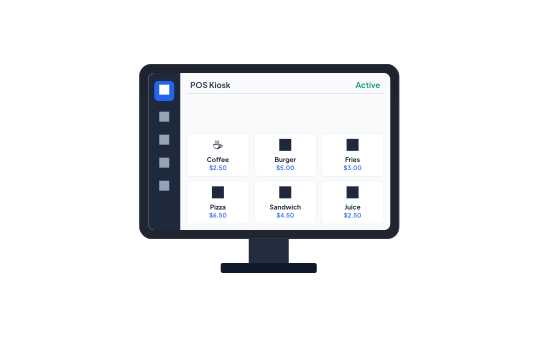
Kiosk Mode
Lock Linux devices into single-app or multi-app kiosk mode for kiosks, POS systems, digital signage, and dedicated business deployments. Deliver secure and distraction-free user experiences with restricted device access.
.svg)
Certificate Management
Deploy digital certificates remotely to authenticate enterprise Wi-Fi, VPN, and secure network access. Strengthen authentication while eliminating manual certificate installation.
.svg)
Analytics & Reporting
Monitor device health, application usage, screen time, OS updates, compliance status, and user activity through centralized reports. Gain actionable insights to improve Apple device management.
.svg)
Custom Payloads
Deploy custom configuration payloads to support unique business requirements and advanced Apple management scenarios. Extend device capabilities without additional complexity.
.svg)
Remote Wipe
Protect sensitive business information by remotely wiping lost, stolen, or retired Apple devices. Remove corporate data instantly while preventing unauthorized access.


.svg)
%201.svg)
.svg)
.svg)
.svg)
.svg)

