How to Manage Multiple Android Devices Remotely?
Managing multiple Android devices across different locations can quickly turn into an IT headache. One device needs troubleshooting, another needs an app update, and a third suddenly stops connecting to Wi-Fi. When you're managing dozens or hundreds of devices, handling each one individually simply doesn't scale.
The good news is that you don't need physical access to every device to keep your Android fleet under control.
With the right Android remote device management approach, IT teams can enroll devices, configure settings, deploy applications, monitor device status, troubleshoot issues, and take remote actions from a centralized platform.
In this blog, we will explore how to manage multiple Android devices remotely, the different approaches available, and why a centralized device management platform is often the most practical option for managing an Android fleet at scale.
Why Do Businesses Need to Manage Android Devices Remotely?
Android devices are used across many business environments, from retail stores and delivery operations to healthcare facilities and field teams. As the device fleet grows, managing every device individually becomes increasingly difficult.
Remote management gives IT teams a way to handle routine device administration without being physically present. It can help businesses:
- Maintain consistent device configurations: Apply the same apps, settings, and policies across the Android fleet.
- Reduce device downtime: Troubleshoot issues and make changes remotely instead of waiting for devices to return to the office.
- Improve device security: Enforce passcode requirements, restrict applications, apply updates, and control device features from a central platform.
- Scale device operations: Enroll and configure large numbers of devices without setting up each one manually.
- Reduce IT support workload: Monitor device status, deploy updates, and perform routine administrative tasks remotely.
For organizations managing an Android device fleet, remote management makes it easier to maintain consistency and keep devices operational across different locations.
Challenges in Remote Android Device Management at Scale
Managing a few Android devices manually may be manageable. Once the fleet grows or devices are spread across different locations, the process becomes much harder.
Common challenges include:
1. Time-Consuming Setup
Configuring devices one by one takes significant time, especially when deploying devices to large teams or multiple locations.
2. Keeping Devices Updated
Tracking OS updates, firmware, and application versions across a large fleet can be difficult. Some devices may easily be missed when updates are handled manually.
3. Limited Device Visibility
Without a centralized management platform, IT teams may have limited insight into device status, usage, compliance, location, or potential issues.
4. Security Risks From Lost Devices
A lost or stolen Android device can expose business information if administrators cannot remotely secure it. Without remote lock or wipe capabilities, responding to such incidents can also take longer.
5. Inconsistent Device Usage
Users may install unauthorized applications, change important settings, or alter device configurations. These changes can create inconsistencies across the fleet and affect how devices are used.
6. Supporting Devices Across Locations
When Android devices are distributed across offices, stores, cities, or other locations, resolving issues without remote management can require lengthy calls, physical visits, or sending devices back to IT.
What Are the Ways to Manage Multiple Android Devices Remotely?
There are several ways to manage multiple Android devices remotely, depending on the tools being used and the type of access required. The three common approaches are Mobile Device Management (MDM) platforms, cloud-based remote control apps, and multi-device mirroring tools.
1. Mobile Device Management (MDM) Platforms
MDM platforms provide centralized tools for managing Android devices through a management console. IT teams can use them to enroll devices, deploy applications, configure settings, enforce policies, monitor device status, and perform actions such as remote lock and wipe.
They can also support bulk management, allowing administrators to apply the same configurations or actions across multiple devices instead of handling each device individually.
2. Cloud-Based Remote Control Apps
Cloud-based remote control applications allow users to access Android devices over Wi-Fi or cellular networks. Depending on the application, users can view device screens, transfer files, deploy applications, and provide remote support through a web-based dashboard.
These tools establish a remote connection between the administrator and the Android device, making it possible to interact with devices without a direct physical connection.
3. Multi-Device Mirroring Tools
Multi-device mirroring tools allow multiple Android devices to be connected to a computer and displayed on the same workstation. Administrators can view and interact with individual device screens using a mouse and keyboard.
Some tools also support multiple device windows at the same time, allowing administrators to work with several connected Android devices from a single computer.
What is the Best Way to Manage Multiple Android Devices Remotely?
The three approaches differ mainly in the level of management, automation, and control they provide. While remote control and mirroring tools focus primarily on accessing or interacting with devices, an MDM platform provides broader capabilities for managing an entire Android device fleet.
For businesses managing multiple Android devices, MDM provides the broadest set of capabilities in one platform. Instead of simply connecting to a device, IT teams can enroll devices, apply configurations and policies, manage applications, monitor device status, troubleshoot remotely, and perform bulk actions from a centralized console.
Cloud-based remote control apps provide strong remote access capabilities, while multi-device mirroring tools focus more on interacting with multiple device screens from a computer. MDM extends beyond remote access by providing ongoing administration and centralized management of the entire Android fleet.
Benefits of Using an Android MDM Solution to Manage Multiple Devices Remotely
Using an Android MDM solution adds centralized management capabilities that make it easier to handle a growing Android device fleet. Instead of managing devices individually, IT teams can automate routine tasks and control multiple devices from a single dashboard.
1. Automate Routine Workflows
Automate repetitive administrative tasks such as policy deployment, device configurations, and routine device actions. This reduces manual effort and helps maintain consistency across the Android fleet.
2. Troubleshoot Devices Remotely
Remote troubleshooting allows IT teams to diagnose and resolve device issues without requiring physical access. Administrators can support users and address common problems directly from the management platform.
3. Manage and Distribute Applications
Centralized app management makes it easier to deploy, update, and maintain business applications across multiple Android devices. With Android Enterprise and Managed Google Play Store, IT teams can distribute approved applications and ensure users have the apps required for their work.
4. Manage Business Content
Distribute documents, presentations, videos, and other business content to managed Android devices from a centralized platform. Administrators can manage content remotely without manually transferring files to each device.
5. Schedule OS Updates and Alerts
Schedule operating system updates during suitable periods to minimize disruption. Administrators can also configure alerts for pending updates, maintenance activities, or other device-related tasks.
6. Monitor Devices With Analytics and Reports
Use analytics and reports to monitor device health, application usage, compliance, and other fleet-related information. This gives IT teams useful insights into the overall state of their Android devices.
7. Apply Granular Device Policies
Configure detailed policies for device features and settings, including passwords, screenshots, USB access, Bluetooth, and application restrictions. These policies can be applied across multiple devices from the management console.
8. Manage Browser Access
Control browser settings and restrict access to unwanted or non-business websites. This helps organizations maintain a more controlled browsing environment on managed Android devices.
9. Send Broadcast Messages
Send announcements, emergency notifications, and operational updates to multiple managed Android devices at once. Administrators can communicate with distributed teams without contacting users individually.
10. Track Devices and Set Geofences
Location tracking provides visibility into where managed Android devices are being used. Geofencing can also help organizations define location-based rules for devices operating across different areas.
11. Enable Factory Reset Protection
Factory Reset Protection helps prevent unauthorized users from resetting and reactivating managed Android devices. This adds an additional layer of control over company-owned devices.
12. Remotely Lock and Wipe Devices
When an Android device is lost or compromised, administrators can remotely lock it to prevent unauthorized access. If the device cannot be recovered, remote wipe can remove corporate data from the device.
How to Manage Multiple Android Devices Remotely With MDM?
Enterprises often need to manage multiple Android devices remotely for customer-facing devices, digital signage, and work-only employee devices. When these devices are spread across locations, centralized management makes it easier to keep them configured and functioning as intended.
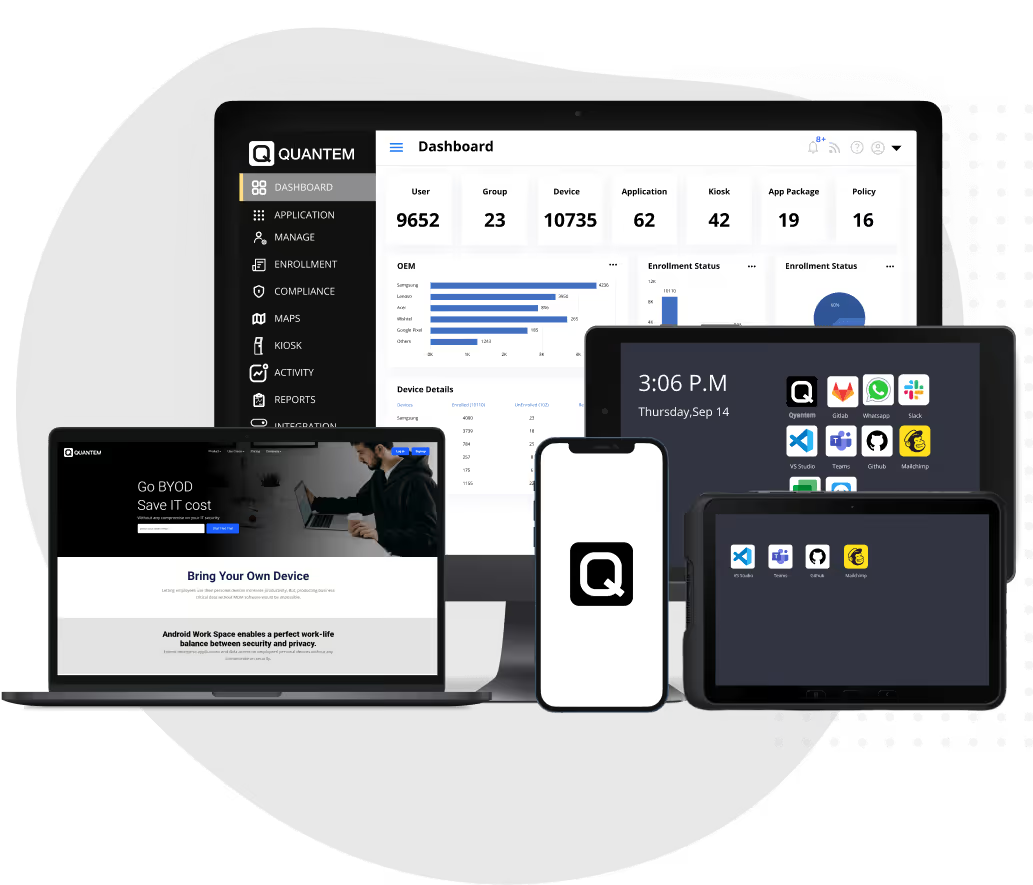
Once enrolled in an MDM platform, IT teams can manage Android devices from a centralized dashboard. Administrators can configure settings, deploy applications, enforce policies, monitor devices, and perform remote actions across the fleet.
For devices designed for specific business purposes, Android Kiosk Mode provides another layer of control by limiting access to the applications and functions required for the intended workflow.
1. Single-App Kiosk Mode
Single-app kiosk mode is a device lockdown mode that restricts an Android device to one specific application. Users cannot access other apps or device functions outside what the administrator has allowed.
This setup is useful for dedicated devices such as self-service kiosks, POS terminals, ticketing systems, and digital displays, where the device is designed to perform one primary task. Administrators can configure and manage the device remotely while keeping it focused on its intended function.
2. Multi-App Kiosk Mode
Multi-app kiosk mode is a device lockdown mode that allows users to access a predefined set of approved applications. Instead of restricting the device to one app, administrators can provide access to multiple apps required for a specific business workflow.
For example, IT admins can allow access to only certain apps, such as communication, inventory, and task management apps, while restricting all others and specific device functions. They can configure the allowed apps remotely and maintain consistent settings across the Android fleet.
Manage Android Devices Remotely at Scale With Quantem MDM
Managing multiple Android devices remotely can become complex as the fleet grows. Quantem MDM gives IT teams a centralized platform to enroll, configure, monitor, and manage Android devices remotely, helping reduce manual device administration.
With Quantem, IT teams can manage device settings, use zero-touch enrollment to simplify device provisioning, deploy applications, enforce policies, troubleshoot issues, and perform remote actions from a single dashboard. This makes it easier to maintain consistent configurations across devices, even when they are deployed across different locations.
Quantem also supports capabilities such as separate work profile, remote troubleshooting, kiosk mode, automated policy enforcement, application management, device monitoring, remote lock and wipe, and device location tracking. These tools give administrators greater control over their Android device fleet without requiring physical access to each device.
Whether you are managing customer-facing devices, digital signage, employee devices, or other business Android devices, Quantem helps simplify day-to-day device administration at scale.
Ready to Manage Your Android Devices Remotely Without Any Complexity?
1. What Are the Common Challenges in Managing Android Devices Manually?
Manual management can lead to inconsistent configurations, limited visibility, slower troubleshooting, and time-consuming updates, especially across distributed teams.
2. How Can I Manage Multiple Android Phones Through a PC?
You can manage multiple Android phones through a PC using an Android MDM solution. IT admins can enroll devices, apply policies, deploy apps, monitor device status, and troubleshoot issues from a centralized dashboard.
3. What Are the Common Security Risks of Connecting an Android Device to a PC?
Common risks include malware transfer, unauthorized data access, insecure USB connections, and exposure of work data and sensitive files. Security policies, encryption, and restricted access can help minimize these risks.
4. How Do I Control an Android Phone Remotely From a Computer?
You can use an MDM or remote management solution to access and manage an Android device from a computer. Depending on the solution, admins can view the device, troubleshoot issues, and perform remote actions.
5. What is the Best Way to Manage Multiple Android Devices Remotely?
An Android MDM platform provides a centralized way to manage multiple devices. It supports capabilities such as bulk enrollment, policy enforcement, application management, monitoring, and remote actions.
6. What is Remote Android Device Management?
Remote Android device management allows IT teams to monitor, configure, and manage Android devices from a centralized platform without physically accessing them. Admins can deploy apps, enforce policies, track devices, and troubleshoot issues remotely.
7. Do I Need an Android MDM Solution to Manage Multiple Devices?
Not necessarily. Basic remote access tools can handle individual devices, but an Android MDM solution provides centralized management, bulk enrollment, automated policy enforcement, application management, and remote administration for larger device fleets.
8. How to Remotely Troubleshoot Fully Managed Devices With an Android Device Management Tool?
To remotely troubleshoot a fully managed device, go to the management dashboard, open Device Inventory, and select the device you want to troubleshoot. Initiate Remote Cast and Control to view and interact with the device screen remotely, identify the issue, and take the necessary troubleshooting actions without physical access.


Get the latest blogs directly delivered to your mail fly arrow